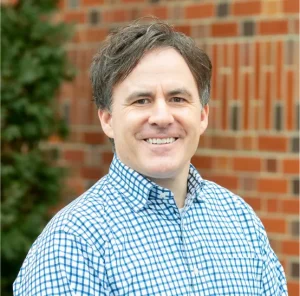
Bradley D. Smith, DMD
Dr. Bradley D. Smith is a native of the North Hills of Pittsburgh who has dedicated his career to helping children, teens and adults achieve healthy, confident smiles. After graduating from Fox Chapel High School, he attended the University of Rochester before earning his DMD from the University of Pittsburgh in 1995. Dr. Brad completed his specialty training in orthodontics at New York University in 1997, where he was named chief resident, granted a faculty position and elected to the admissions board for the orthodontics program. He also completed advanced training at the NYU Craniofacial Center and the Gelb Institute for TMD/TMJ, with a focus on cleft palate, facial anomalies and temporomandibular joint disorders.
Dr. Smith began practicing orthodontics in 1997. Since then, he has treated more than 10,000 orthodontic patients across a wide range of ages, treatment needs and levels of complexity. His experience includes approximately 6,000 traditional braces cases, 2,000 ceramic braces cases, 3,000 adult orthodontic cases, 5,000 teen orthodontic cases and 4,000 early or Phase I orthodontic cases. He has also managed approximately 3,500 palatal expansion cases, 1,000 airway-focused cases, 1,000 patients with concerns related to airway development, breathing or oral habits, and approximately 2,000 patients with TMJ or jaw-related concerns.
Continuing education has remained an important part of Dr. Smith’s professional development throughout his career. He has completed approximately 6,000 hours of continuing education after orthodontic residency, including approximately 5,000 hours specifically related to orthodontics. His advanced training includes an estimated 2,000 hours in braces, bracket systems, biomechanics and orthodontic treatment planning; 1,000 hours in early orthodontics, growth and development and dentofacial orthopedics; 350 hours in airway orthodontics and sleep-related breathing concerns; 100 hours in orofacial myofunctional therapy, oral habits and tongue function; and 200 hours focused on TMJ disorders, jaw function and occlusion.
His professional education has also included advanced training through the Roth Institute and long-term participation with the Seattle Study Club, where he has served as an orthodontic consultant for more than a decade. Dr. Smith has served as an orthodontic consultant with a Spear Study Club and previously worked as an orthodontic product-development consultant with 3M/Solventum. He has also lectured for Allegheny Health Network GPR residents on topics related to TMJ, jaw function and occlusion.
Professionally, Dr. Smith is a member of the American Association of Orthodontists®, the Western Pennsylvania Society of Orthodontists and the Great Lakes Association of Orthodontists. He is also proud to have been voted a Pittsburgh Magazine Best Orthodontist for 10 consecutive years.
Known for his sense of humor and genuine interest in getting to know people, Dr. Smith works to ensure that every patient feels confident, understood and informed throughout treatment. His expertise, attention to detail and approachable manner make him a trusted guide for families and individuals beginning their orthodontic journey. Rather than approaching treatment with a one-size-fits-all mindset, he takes time to understand each patient’s concerns, explain the available options and recommend an approach that supports the patient’s individual needs and goals.
Dr. Smith has particular experience in early interventional orthodontics and airway-focused care. He has treated children with early or interceptive orthodontics and used palatal expanders and other orthodontic expansion techniques for more than 20 years. He has incorporated airway considerations into orthodontic diagnosis and treatment planning for approximately 12 years and has incorporated orofacial myofunctional therapy into patient care, both directly and through collaboration with other providers, for approximately eight years.
His approach to early treatment is intentionally comprehensive rather than automatic. During an initial examination, Dr. Smith evaluates a child’s dental development, facial and jaw growth, bite, airway, breathing patterns, tongue position and oral muscle function using a complete clinical examination and diagnostic records, including CBCT imaging when appropriate. He believes that evaluating these factors together helps determine not only whether treatment may be beneficial, but also when treatment should begin.
Children who may eventually benefit from orthodontic treatment but are not yet ready are placed in the practice’s Growing Grins Club, where their growth and development can be monitored over time. This allows Dr. Smith and his team to follow changes as they occur and select an appropriate time to initiate treatment rather than beginning early treatment simply because a child has been evaluated.
Dr. Smith believes that addressing growth, dental development, breathing and oral-function concerns at the appropriate time may help reduce the risk of more complicated orthodontic problems later and support better long-term comfort and function. His goal is not simply to straighten teeth, but to understand how the teeth, bite, jaws, airway and surrounding oral structures work together.
That broader perspective is especially important when orthodontic care involves other areas of dental or medical treatment. Dr. Smith has managed approximately 3,000 cases requiring interdisciplinary collaboration with dentists, oral surgeons, periodontists, pediatric dentists, ENTs, sleep specialists, speech therapists, myofunctional therapists and other healthcare providers. The practice maintains a close network of skilled specialists in the surrounding community and coordinates care when a patient’s needs extend beyond orthodontic tooth movement alone.
Dr. Smith also frequently evaluates complex cases involving orthognathic surgery, significant bite concerns, periodontal considerations, restorative dentistry and other multidisciplinary treatment needs. He receives referrals for airway concerns, early orthodontic treatment, complex bite problems, TMJ and jaw-related concerns, and cases requiring coordinated treatment with other specialists. Approximately 70% of patients come to the practice through referrals from dentists, physicians, therapists or existing patients.
His treatment experience spans both traditional and advanced orthodontic systems. Dr. Smith has provided traditional braces and ceramic braces for more than 20 years and has approximately five years of experience with LightForce custom braces, including approximately 100 LightForce cases. These options allow him to select an orthodontic appliance based on the amount and type of tooth movement required, the patient’s treatment goals and the clinical needs of the case.
Clear aligner treatment is another significant part of Dr. Smith’s experience. With more than two decades of experience providing clear aligner care, he has treated thousands of cases and currently treats hundreds of clear aligner patients each year. He has extensive experience with both Invisalign® clear aligners and Solventum Clarity™ Aligners and has treated thousands of cases using each system. Although most of his clear aligner patients are adults, some teens and children may also be candidates depending on their individual orthodontic needs.
Dr. Smith routinely discusses clear aligners with patients seeking treatment for crowding, spacing and cosmetic alignment concerns. Depending on the severity and complexity of the case, aligners may also be considered for overbites, underbites, crossbites, open bites, deep bites, rotated teeth and other significant alignment concerns. Because every case is different, he carefully evaluates what clear aligners can and cannot accomplish before recommending Invisalign, Clarity Aligners or braces.
Some complex cases require braces because they can provide greater control over certain types of tooth movement, while other patients may be able to achieve their treatment goals with aligners. Clear aligners are not typically used in conjunction with orthognathic surgery in the practice, although treatment options can be discussed during an individual consultation.
When clear aligners are appropriate, Dr. Smith can incorporate attachments, elastics, bite ramps, precision cuts and other advanced features when needed. He also uses technology intended to support efficient tooth movement and provides refinements when additional movement is necessary. He does not routinely favor Invisalign over Solventum Clarity Aligners, or vice versa, for a particular category of case. Instead, the system and treatment method are selected according to the needs of the individual patient.
Patients who have previously been told they are not candidates for clear aligners are welcome to meet with Dr. Smith for another evaluation and a discussion of the treatment option he believes is most appropriate. The practice also accepts clear aligner transfer cases and provides retreatment or refinements for patients who have experienced orthodontic relapse. Patients who previously used direct-to-consumer or mail-order aligners may also be evaluated for continued or corrective orthodontic care.
Technology supports this individualized approach throughout diagnosis, treatment planning, treatment monitoring and appliance fabrication. Dr. Smith has used cone beam 3D imaging for approximately 10 years and digital intraoral scanning for more than 10 years. The practice uses an iTero® intraoral scanner for digital impressions and workflows involving both Invisalign and Solventum Clarity Aligners. Digital photographs, facial scans and digital smile simulation may also be incorporated into treatment planning.
Dr. Smith remains directly involved in creating and overseeing each customized digital treatment plan. Working with the Invisalign and Solventum systems, he reviews individual tooth movement and follows the plan throughout treatment. During routine office visits, the team can also show patients how their aligners are designed to move the teeth and support proper function.
Remote monitoring adds another layer to this digital approach. Dr. Smith has used remote orthodontic monitoring technology for approximately six years, and the practice currently uses Grin technology to evaluate clear aligner progress between in-office appointments. Orthodontic monitoring can provide the team with additional information about treatment progress while allowing in-office visits to remain focused on the care that requires direct clinical attention.
The practice has also used in-office 3D printing for approximately eight years and relies heavily on digital workflows for appliance fabrication, treatment planning and retention. Digital scans are used to create customized 3D models and fabricate a wide range of orthodontic appliances, including expansion appliances and Essix-style retainers. The practice is designed to be paperless, digital and impressionless whenever possible.
Orthodontic technology is not used simply for its own sake. Dr. Smith views tools such as CBCT imaging, digital scanning, 3D printing, custom braces and remote monitoring as ways to strengthen diagnostic information, customize treatment, improve efficiency and help patients better understand their care. That philosophy is reflected in the practice’s slogan: “Today’s technology for tomorrow’s beautiful smiles.”
Finishing and retention are also considered important parts of the overall treatment process. Dr. Smith has managed approximately 10,000 retention cases over the course of his career. At the completion of treatment, each patient receives a custom fixed lingual retainer and a clear removable retainer. Although the practice does not offer a formal long-term retainer program, patients are given a custom 3D-printed model of their teeth that they may bring back to the office if a clear removable retainer needs to be remade.
When appropriate, Dr. Smith also offers aesthetic tooth recontouring to help refine the shape and balance of the finished smile.
What distinguishes Dr. Smith’s approach is the combination of extensive clinical experience, a high volume of treated cases, comprehensive specialty and continuing education, advanced technology and a collaborative approach to complex care. His goal is to look beyond alignment alone and consider how the teeth, bite, jaws, airway and surrounding structures contribute to overall function. When a patient can benefit from additional expertise, he coordinates closely with oral surgeons, ENTs, periodontists, restorative dentists, myofunctional therapists and other trusted specialists so treatment addresses the broader clinical picture.
Complimentary clear aligner consultations are available, and patients may be able to complete digital scans and begin orthodontic records during their initial visit. The practice accepts applicable orthodontic insurance benefits and offers flexible payment or financing options for clear aligner treatment. During active treatment, patients typically visit the office every six to seven weeks.
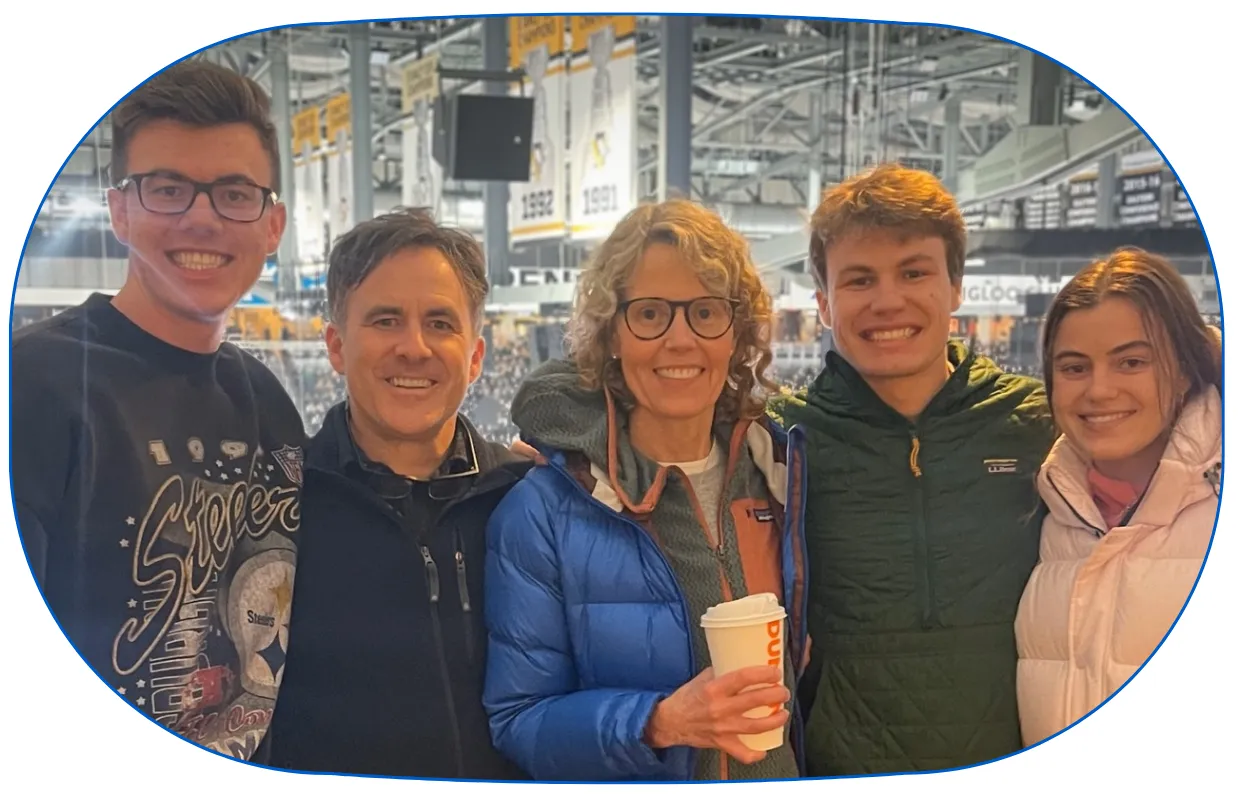
Outside the office, Dr. Brad enjoys paramotoring, baking delicious treats, traveling to new places and spending time with his Abyssinian cat, Reggie. He and his wife enjoy staying active with their three children, exploring the outdoors and participating in their community. His enthusiasm for family, adventure and connecting with others reflects the same warmth and attentiveness he brings to his patients and the practice.
